Living in San Jose means living in one of the most seismically active regions in the country. Earthquakes are not a possibility, they are an expectation. While many people focus on emergency kits and evacuation plans, one of the most overlooked parts of preparedness is knowing how to respond to injuries when they happen.
After a major earthquake, medical help may not arrive immediately. In those critical first minutes or even hours, survival often depends on the people nearby. That is why learning CPR and first aid is one of the most important steps you can take. Enrolling in an in-person CPR Certification course ensures you are prepared to act when it matters most.
Earthquakes Can Happen Without Warning
Unlike many other disasters, earthquakes strike suddenly with little to no warning. San Jose sits near major fault lines, making it especially vulnerable to seismic activity.
Experts estimate there is a significant probability of a major earthquake hitting the Bay Area in the coming decades, highlighting the importance of preparation.
Because there is no warning, your response in the immediate aftermath is what matters most.
Why Emergency Services May Be Delayed
After a large earthquake, infrastructure can be severely impacted. Roads may be blocked, buildings damaged, and communication systems disrupted.
Local emergency planning agencies emphasize that:
- First responders may be overwhelmed with the most critical situations
- Help may not arrive quickly in all areas
- Individuals may need to rely on themselves and those around them
This means that everyday people must be prepared to provide care until help becomes available.
The Role of CPR and First Aid After an Earthquake
In the aftermath of an earthquake, injuries are common. These can range from minor cuts to life-threatening conditions such as breathing problems or cardiac arrest.
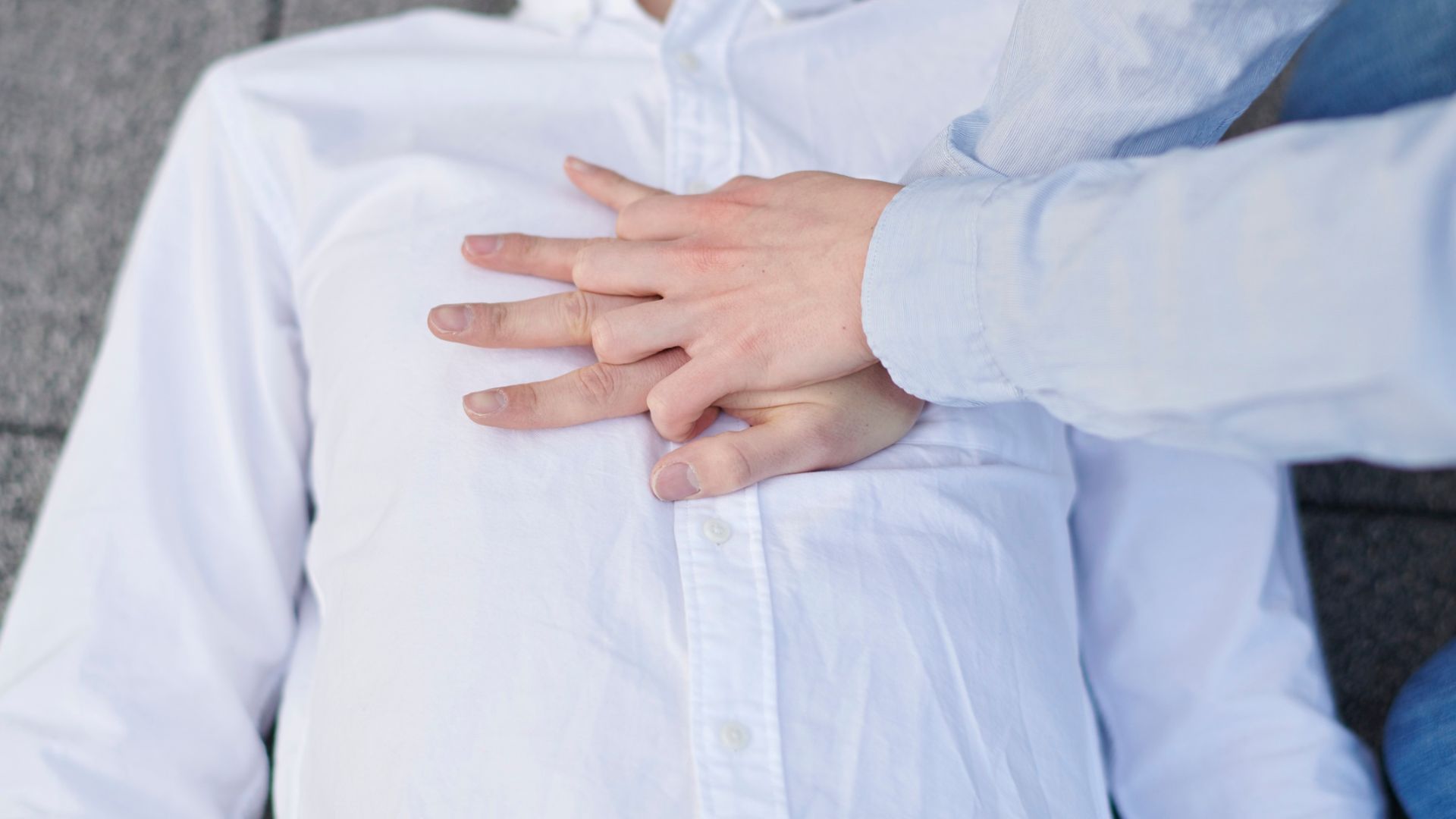
Emergency preparedness guidance specifically notes that if someone is not breathing after an earthquake, CPR should be administered immediately.
CPR and first aid skills allow you to:
- Stabilize injured individuals
- Maintain breathing and circulation
- Prevent conditions from worsening
Without these skills, valuable time can be lost.
Common Injuries During Earthquakes
Earthquakes can cause a wide range of injuries due to falling objects, structural damage, and environmental hazards.
Some of the most common include:
- Head injuries and concussions
- Cuts and severe bleeding
- Broken bones or crush injuries
In these situations, knowing how to respond quickly can significantly improve outcomes.
Why the First Few Minutes Matter Most
During any emergency, especially one involving breathing or cardiac arrest, time is critical.
Without oxygen:
- Brain damage can begin within minutes
- Survival chances decrease rapidly
- Delays can lead to long-term complications
CPR helps maintain oxygen flow to vital organs until professional help arrives.
In a disaster scenario where emergency services are delayed, this becomes even more important.
Why Hands-On Training Is Essential
Reading about CPR is not enough. It is a physical skill that requires proper technique and repetition.
Hands-on training ensures you:
- Learn correct compression depth and rhythm
- Practice real-life emergency scenarios
- Receive immediate feedback from instructors
This type of training builds muscle memory, allowing you to act quickly under pressure.
Choosing an in-person CPR Certification course ensures you are not just informed, but prepared.
Earthquake Preparedness Is More Than Supplies
Many people focus on emergency kits, which are important, but supplies alone are not enough.
Preparedness experts recommend:
- Having a plan for communication and safety
- Practicing emergency drills
- Learning life-saving skills like CPR and first aid
Skills are what allow you to take action when supplies are not enough.
Why CPR Training Builds Confidence
One of the biggest challenges in emergencies is hesitation. Many people want to help but feel unsure about what to do.
Training helps eliminate that hesitation by:
- Providing hands-on experience
- Reinforcing proper techniques
- Preparing you for high-stress situations
Confidence is what turns knowledge into action.
The Importance of Community Preparedness
In a large city like San Jose, community preparedness plays a major role in disaster response.
When more people are trained:
- Help is available faster
- Injuries are addressed sooner
- Survival rates improve
Prepared communities are more resilient and better able to recover after disasters.
Why Every Household Should Be Trained
Earthquake preparedness is not just for professionals. Every household should have at least one person trained in CPR and first aid.
This is especially important for:
- Families with children
- Multi-generational households
- Individuals caring for elderly family members
The ability to respond quickly can make a life-saving difference.
The Difference Between Panic and Preparedness
In an emergency, people often experience panic, which can delay action. Training helps replace panic with purpose.
When you are trained:
- You know what steps to take
- You act more quickly
- You stay focused under pressure
This can dramatically improve outcomes in critical situations.
Why San Jose Residents Should Take This Seriously
San Jose’s location makes earthquake preparedness a part of everyday life. With active fault lines and a history of seismic activity, the risk is ongoing.
Preparation is not about fear. It is about readiness.
By learning CPR and first aid, you are taking a proactive step to protect yourself, your family, and your community.
Building Long-Term Preparedness
Preparedness is not a one-time task. It is an ongoing process that includes updating plans, practicing skills, and staying informed.
Experts emphasize that regular training and hands-on learning are more effective at preparing individuals for real disasters.
This makes CPR training a key part of long-term readiness.
Why In-Person Training Is Worth It
In-person CPR training typically takes just a few hours, but the impact can last a lifetime.
In that time, you gain:
- Life-saving skills
- Real-world confidence
- The ability to help others in emergencies
It is one of the most valuable investments you can make in your safety.
Final Thoughts on Earthquake Preparedness in San Jose
Earthquakes are unpredictable, but your response does not have to be. In a city like San Jose, where seismic activity is a reality, being prepared is essential.
CPR and first aid training provide the skills needed to respond immediately when help is not available. They turn bystanders into lifesavers and uncertainty into action.
By enrolling in an in-person CPR Certification course, you ensure that you are ready to act when it matters most. In the aftermath of an earthquake, that preparation could make the difference between life and death.
Frequently Asked Questions About Earthquake Preparedness and CPR
Why is CPR important after an earthquake?
CPR helps maintain breathing and circulation when someone is unresponsive, especially when emergency services are delayed.
What injuries are common after earthquakes?
Common injuries include cuts, head injuries, fractures, and breathing issues.
Can emergency responders always arrive quickly?
No, earthquakes can delay emergency response due to infrastructure damage and high demand.
Is CPR training necessary for everyone?
Yes, having trained individuals in every household improves overall safety and preparedness.
How can I prepare for an earthquake in San Jose?
Prepare by creating a plan, building an emergency kit, and learning CPR and first aid.
Why is in-person CPR training better?
It provides hands-on practice and builds confidence, making you more prepared for real emergencies.