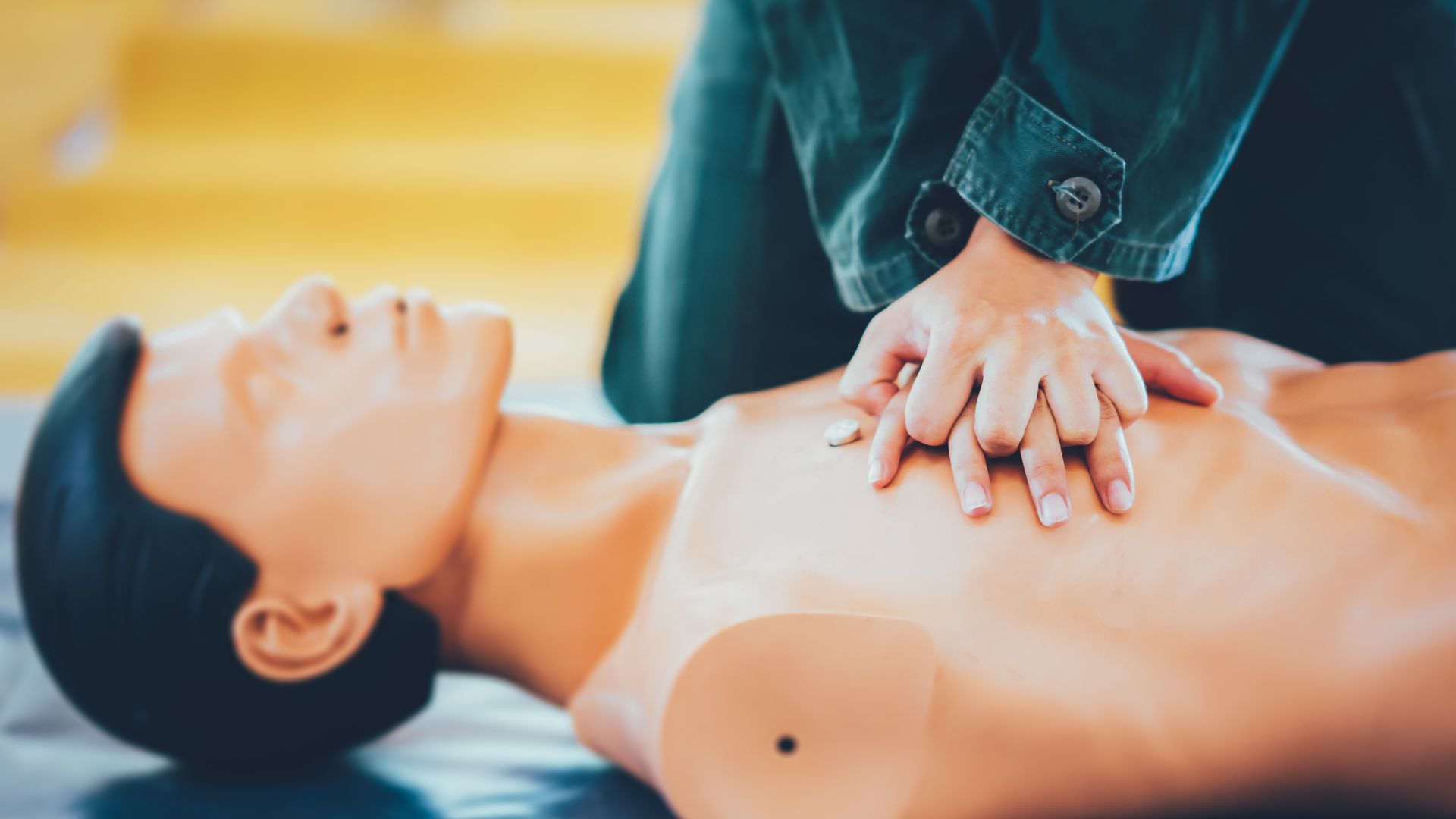
Medical emergencies can happen without warning, and when they do, the moments that follow can feel overwhelming. Someone collapsing or becoming unresponsive can cause panic among those nearby. In situations like these, the ability to remain calm and take action can make a lifesaving difference. People who have completed CPR Certification are often better prepared to stay focused and guide others through the steps needed to help someone experiencing cardiac arrest or another medical emergency.
In a busy city like San Jose, emergencies can occur in offices, parks, gyms, restaurants, or public transportation areas. When something unexpected happens, the first people present are usually bystanders rather than medical professionals. The ability of one calm individual to recognize the situation and begin CPR can help stabilize the victim while emergency services are on the way.
Learning how to stay composed and lead CPR efforts during a crisis allows individuals to respond with confidence and help protect lives during critical moments.
Why Staying Calm Is Critical During Emergencies
When someone collapses or stops breathing, the people around them may feel shock, confusion, or fear. These reactions are natural, but they can slow down the response needed to help the victim.
Remaining calm allows a person to assess the situation quickly and take the necessary steps to begin emergency care. Someone trained in CPR Certification understands the sequence of actions needed to respond effectively.
During a cardiac emergency, every second matters. A calm responder can:
- Recognize that the person is unresponsive
- Call or direct someone to call emergency services
- Begin chest compressions immediately
- Ask someone nearby to locate an AED
These actions help ensure that lifesaving care begins without delay.
Recognizing the Signs of Cardiac Arrest
Before CPR can begin, it is important to recognize the symptoms of sudden cardiac arrest. This condition occurs when the heart suddenly stops pumping blood effectively.
Common signs of cardiac arrest include:
- Sudden collapse
- Lack of responsiveness
- No normal breathing or only gasping breaths
- Absence of a pulse
When these signs are present, CPR should begin immediately while someone contacts emergency services.
In San Jose, emergency medical teams respond quickly, but the first few minutes are still extremely important. Bystanders who know how to recognize cardiac arrest can begin CPR right away, helping maintain blood circulation until professionals arrive.
The First Steps in Leading CPR
When an emergency occurs, leadership becomes essential. One person taking control of the situation can help ensure that everyone works together effectively.
A calm responder can guide others by following these steps:
- Check the person for responsiveness by tapping their shoulder and speaking loudly.
- Call 911 or instruct someone nearby to contact emergency services.
- Ask another bystander to locate an AED if one is available.
- Begin chest compressions immediately.
These steps create an organized response that ensures help is on the way while CPR is performed.
Individuals who complete CPR Certification practice these scenarios during training so they feel more confident responding in real life emergencies.
Leading Others During a Crisis
When multiple people are present during an emergency, coordination becomes important. Bystanders may be unsure how to help or may hesitate because they lack training.
A person who understands CPR can take a leadership role by giving clear instructions. For example, they might say:
- Call 911 and report a medical emergency
- Bring the AED from the building lobby
- Help clear space so CPR can be performed safely
These instructions allow others to contribute while the primary responder performs CPR.
Strong communication helps reduce confusion and ensures that everyone works together to assist the victim.
Performing Effective Chest Compressions
Chest compressions are the most important part of CPR. They help keep blood circulating through the body when the heart is no longer pumping effectively.
During CPR, compressions should be performed:
- In the center of the chest
- At a steady rhythm of about 100 to 120 compressions per minute
- With sufficient depth to push blood through the heart
Training programs that provide CPR Certification teach participants how to perform compressions with proper technique. Practicing these movements during training helps responders feel more prepared to perform CPR during real emergencies.
Consistent chest compressions help maintain oxygen delivery to the brain and vital organs until advanced medical care becomes available.
Using AED Devices During Emergencies
Automated external defibrillators are devices designed to restore a normal heart rhythm during sudden cardiac arrest. Many public buildings and workplaces in San Jose have AED units available for emergencies.
AED devices are designed to be easy to use. Once activated, they provide voice instructions that guide responders through each step of the process.
The general steps include:
- Turning on the AED
- Attaching electrode pads to the person’s chest
- Allowing the device to analyze the heart rhythm
- Delivering a shock if instructed by the device
Using an AED alongside CPR greatly improves survival chances during cardiac arrest. People who have completed CPR training understand how to safely operate these devices during emergencies.
Staying Focused Under Pressure
Responding to a medical emergency can be emotionally intense. However, staying focused allows responders to continue performing CPR effectively.
Several strategies can help maintain calm during these situations:
- Focus on the CPR steps learned during training
- Take steady breaths to stay composed
- Continue compressions at a consistent rhythm
- Listen to instructions from the AED if one is used
Training through CPR Certification helps individuals develop the muscle memory and confidence needed to remain focused even in stressful situations.
The more familiar someone is with CPR techniques, the easier it becomes to respond calmly during emergencies.
Why CPR Training Is Important for Communities
Communities become safer when more people are trained in CPR. Bystanders who know how to respond can provide immediate assistance during emergencies that occur in homes, workplaces, or public areas.
In a large and active city like San Jose, people gather in crowded environments every day. Having trained individuals nearby increases the chances that someone can provide lifesaving care before emergency responders arrive.
Encouraging CPR education helps create communities where residents are prepared to help each other during unexpected situations.
People who maintain CPR Certification become valuable contributors to public safety because they have the skills needed to act when emergencies occur.
Building Confidence Through CPR Training
One of the main reasons people hesitate during emergencies is uncertainty about what to do. CPR training removes that uncertainty by teaching clear, practical steps for responding to cardiac arrest.
Hands on practice during training sessions allows participants to perform compressions, use AED devices, and rehearse emergency scenarios.
These experiences build confidence and help individuals feel more prepared to take action if someone collapses nearby.
By learning and practicing CPR, people gain the ability to move from bystander to lifesaver when emergencies happen.
Final Thoughts on Leading CPR During Emergencies in San Jose
Medical emergencies can occur anywhere, and the first few minutes after someone collapses are often the most important. Staying calm and taking action can make a lifesaving difference during these critical moments. Completing CPR Certification provides individuals with the training needed to recognize cardiac arrest, begin chest compressions, and guide others during an emergency response.
In San Jose, where residents gather in workplaces, parks, and public venues every day, having trained bystanders nearby strengthens community safety. Individuals who know how to remain calm and lead CPR efforts help ensure that lifesaving care begins as quickly as possible.
By learning CPR and maintaining certification, community members become better prepared to protect friends, coworkers, and strangers when emergencies occur.
Frequently Asked Questions
What should I do first if someone collapses?
Check for responsiveness and breathing. If the person is unresponsive and not breathing normally, call emergency services and begin CPR immediately.
How can I stay calm during a medical emergency?
Focus on the CPR steps you have learned, take steady breaths, and follow the sequence of actions practiced during training.
Do I need formal training to perform CPR?
Formal training through CPR certification programs helps ensure that you understand the correct techniques and can respond confidently during emergencies.
Can bystanders safely use an AED?
Yes. AED devices are designed with simple instructions that guide users step by step, allowing bystanders to assist during cardiac emergencies.