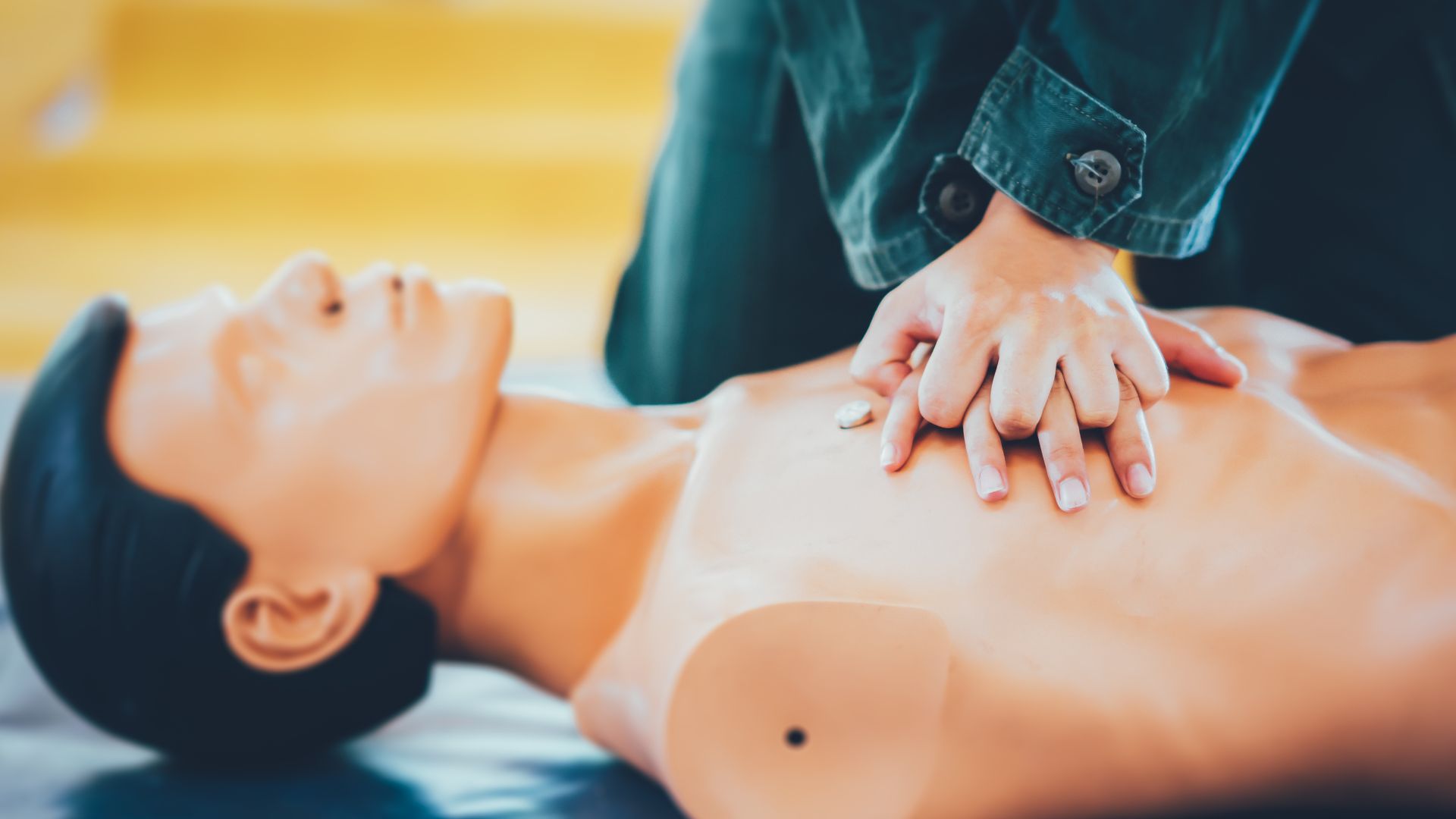
Emergencies can happen anywhere and often without warning. In those critical moments, knowing when CPR is needed can make the difference between life and death. Many people hesitate to act because they are unsure whether CPR is truly necessary or fear doing something wrong. Having proper cpr certification helps remove that uncertainty by teaching clear, recognizable signs that indicate immediate action is required. For individuals living or working in San Jose, understanding these signs is especially important in a fast-paced, densely populated area where emergencies can occur at home, at work, or in public spaces.
CPR is designed to keep blood and oxygen flowing to the brain and vital organs when the heart or breathing stops. This guide explains the most common and critical signs that CPR is needed, how to assess an emergency safely, and why CPR training is essential for responding confidently and effectively.
Unresponsiveness Is the First Major Warning Sign
One of the clearest indicators that CPR may be needed is unresponsiveness. A person who suddenly collapses or becomes unresponsive requires immediate assessment.
To check responsiveness:
- Tap the person firmly on the shoulders
- Speak loudly and clearly
- Ask simple questions such as “Are you okay?”
If the person does not respond in any way, this is a serious warning sign. Unresponsiveness can indicate cardiac arrest, severe breathing problems, or other life-threatening conditions. At this point, emergency services should be contacted immediately, and further assessment should begin.
In San Jose, where people often commute, exercise outdoors, or work in high-pressure environments, unresponsiveness can occur in many settings, including offices, gyms, sidewalks, or homes.
Absent or Abnormal Breathing
After determining that a person is unresponsive, the next step is to check breathing. Breathing problems are one of the most critical indicators that CPR is needed.
Signs of absent or abnormal breathing include:
- No breathing at all
- Gasping sounds
- Irregular or shallow breaths
- Snorting or choking noises known as agonal breathing
Gasping is not normal breathing and should not be mistaken as a sign of recovery. If a person is unresponsive and not breathing normally, CPR should begin immediately.
CPR training emphasizes recognizing abnormal breathing quickly, as delays can significantly reduce survival chances.
No Pulse or Signs of Circulation
While checking for a pulse is often taught in professional settings, lay responders are usually instructed to focus on responsiveness and breathing. However, visible signs of no circulation can also indicate the need for CPR.
These signs include:
- Pale or bluish skin
- Cool skin temperature
- No visible chest movement
- No signs of movement or coughing
When the heart stops pumping effectively, oxygen is no longer delivered to the brain. CPR helps restore partial circulation until emergency responders arrive.
Sudden Collapse Without Warning
A sudden collapse is a strong indicator of cardiac arrest, especially in adults. People experiencing cardiac arrest often collapse without warning and lose consciousness immediately.
Common situations where sudden collapse may occur include:
- During physical activity
- While at work or school
- In public places such as malls or transit stations
- At home during routine activities
If a person collapses, becomes unresponsive, and is not breathing normally, CPR should be started right away. Waiting to see if the person recovers on their own can waste valuable time.
Choking That Leads to Unresponsiveness
Choking is a common emergency that can quickly become life-threatening. If choking is not resolved, the person may lose consciousness due to lack of oxygen.
Signs of severe choking include:
- Inability to speak or cough
- Hands clutching the throat
- Panic or distress
- Bluish lips or skin
If choking causes the person to become unresponsive, CPR should begin immediately. CPR training includes techniques for managing choking emergencies and transitioning to CPR if the airway remains blocked.
Cardiac Arrest vs Heart Attack
Many people confuse cardiac arrest with a heart attack, but they are not the same. Understanding the difference helps determine when CPR is needed.
A heart attack occurs when blood flow to part of the heart is blocked. The person is usually conscious and breathing. CPR is not typically needed unless the heart attack leads to cardiac arrest.
Cardiac arrest occurs when the heart suddenly stops beating effectively. The person collapses, becomes unresponsive, and stops breathing normally. CPR is immediately required.
CPR training teaches how to recognize cardiac arrest quickly and respond without hesitation.
Drowning or Near-Drowning Incidents
Drowning emergencies often involve breathing failure rather than heart-related causes. CPR is frequently needed in near-drowning situations, especially if the person is unresponsive and not breathing.
Signs CPR may be needed after a drowning incident include:
- Unresponsiveness
- No breathing or abnormal breathing
- Bluish skin or lips
- Coughing followed by collapse
In areas around San Jose with pools, lakes, and recreational water activities, understanding drowning response is especially important. CPR training covers rescue breathing and chest compressions for these scenarios.
Electric Shock or Severe Trauma
Electric shock or severe trauma can cause sudden cardiac arrest or breathing failure. CPR may be necessary if the person becomes unresponsive and stops breathing normally.
Examples include:
- Workplace electrical accidents
- Falls from height
- Vehicle collisions
- Industrial or construction incidents
Scene safety is critical in these situations. CPR should only be performed once the environment is safe for the rescuer.
How to Assess an Emergency Safely
Before starting CPR, it is important to ensure the scene is safe. This protects both the responder and the victim.
Basic assessment steps include:
- Checking for hazards such as traffic, electricity, or unstable structures
- Using protective barriers if available
- Calling 911 or directing someone else to do so
- Beginning CPR as instructed during training
CPR certification teaches a structured approach that helps responders act quickly without putting themselves at unnecessary risk.
The Importance of Acting Immediately
When CPR is needed, every second counts. Brain damage can begin within minutes when oxygen flow stops. Immediate CPR can double or even triple survival rates in some cases.
Delaying action due to uncertainty or fear can have serious consequences. CPR training builds confidence and reduces hesitation by reinforcing clear decision-making steps.
In busy cities like San Jose, emergency responders may take several minutes to arrive depending on location and traffic. CPR bridges that critical gap.
Why CPR Training Matters in San Jose
San Jose is a major technology and business hub with a large population and diverse environments. Emergencies can occur in offices, schools, homes, gyms, warehouses, and public spaces.
CPR training helps community members:
- Respond confidently in emergencies
- Protect family members, coworkers, and strangers
- Reduce panic and confusion during crises
- Support emergency responders upon arrival
Widespread CPR knowledge strengthens community safety and resilience.
Common Myths About When CPR Is Needed
Many people hesitate to perform CPR due to common misconceptions, including:
- Fear of causing harm
- Belief that CPR should only be performed by professionals
- Uncertainty about legal consequences
- Thinking gasping means breathing is normal
CPR certification addresses these myths and provides clear guidance on when and how to act.
Who Should Learn to Recognize CPR Emergencies
Everyone can benefit from knowing the signs CPR is needed, especially:
- Parents and caregivers
- Teachers and school staff
- Workplace employees
- Fitness instructors
- Security and event staff
- Warehouse and industrial workers
Emergencies rarely happen when expected, and CPR-trained individuals are often the difference-makers.
How CPR Certification Prepares You to Act
CPR certification goes beyond memorizing steps. It includes hands-on practice, scenario-based training, and instructor feedback that prepares participants for real emergencies.
Training helps individuals:
- Recognize emergencies quickly
- Overcome fear and hesitation
- Perform CPR correctly
- Coordinate with others during emergencies
This preparation is invaluable when facing real-life situations.
Final Thoughts on Recognizing When CPR Is Needed
Knowing the signs that CPR is needed empowers individuals to act decisively during emergencies. Unresponsiveness, abnormal breathing, sudden collapse, and choking-related unconsciousness are all signals that immediate action is required. Earning cpr certification provides the training and confidence needed to recognize these signs and respond effectively. For individuals in San Jose, CPR training strengthens personal preparedness and contributes to a safer, more responsive community. Taking the time to learn CPR can mean the difference between waiting helplessly and saving a life.
Frequently Asked Questions
What is the first sign that CPR may be needed?
Unresponsiveness combined with abnormal or absent breathing is the most important sign that CPR is needed.
Should CPR be started if someone is gasping?
Yes. Gasping is not normal breathing and is a sign that CPR should begin immediately.
Do I need CPR certification to help in an emergency?
While anyone can help in an emergency, CPR certification provides the knowledge and confidence needed to respond correctly and quickly.
Where can I get CPR certification in San Jose?
CPR certification in San Jose is available through local training providers offering hands-on courses that meet current medical guidelines.