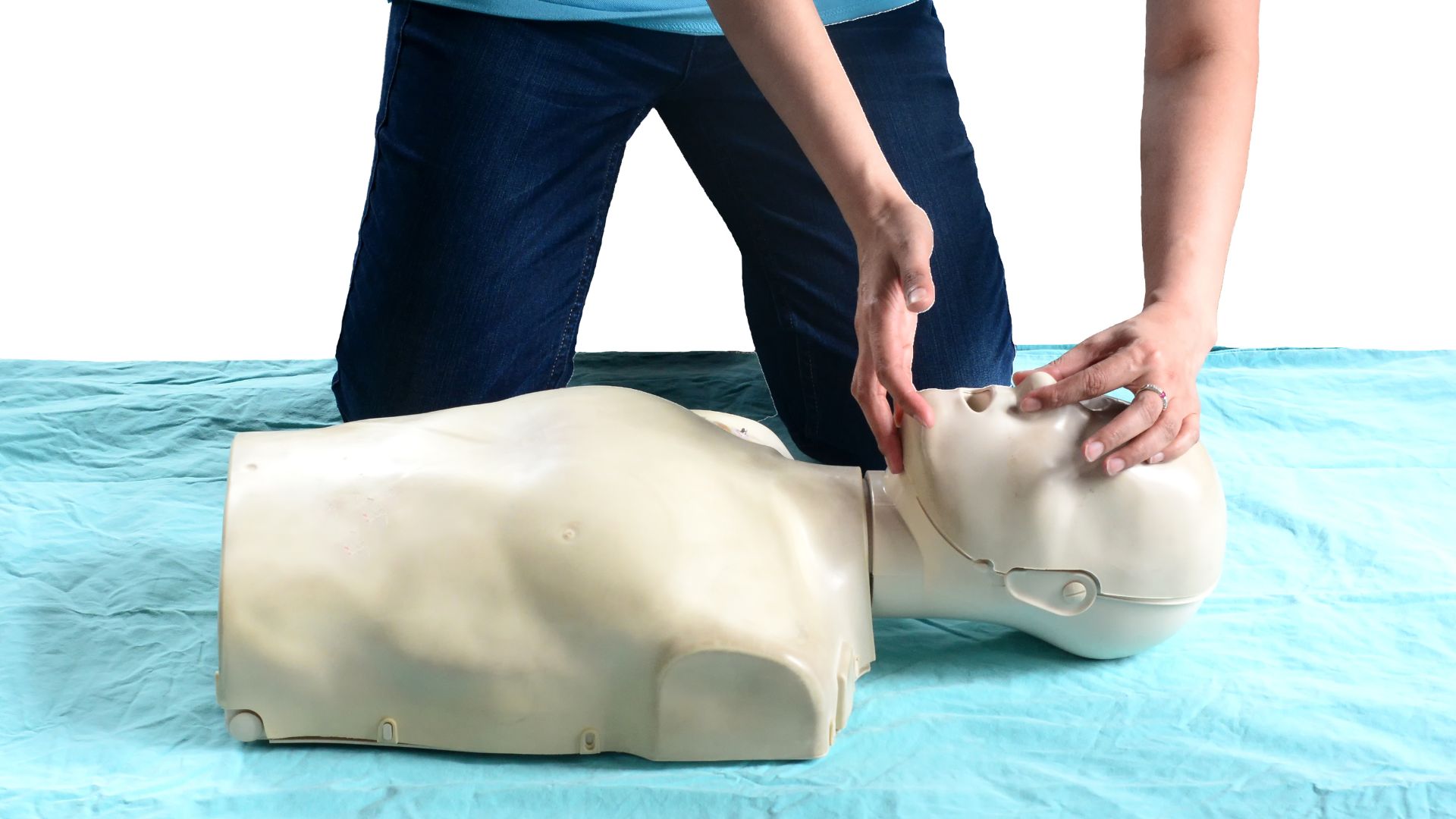
For healthcare professionals in San Jose, staying current with CPR certification is not optional. It is a requirement tied directly to patient safety, workplace compliance, and your ability to perform under pressure. Whether you are a nurse, EMT, medical assistant, or student entering the healthcare field, renewing your certification on time is critical to maintaining your role.
The good news is that San Jose offers a wide range of renewal options designed to fit busy schedules. However, choosing the right course matters just as much as completing it. Enrolling in an in-person CPR Certification course ensures you maintain both your credentials and your real-world readiness.
How Often You Need to Renew CPR Certification
For most healthcare professionals, CPR and BLS certification must be renewed every two years.
This standard applies to certifications from major organizations like the American Heart Association (AHA) and the American Red Cross. If your certification expires, you may not meet employment requirements, and in some cases, you may not be allowed to work until it is renewed.
Because of this, staying ahead of your expiration date is essential.
When to Start Looking for Renewal Classes
One of the biggest mistakes healthcare professionals make is waiting too long to renew. Ideally, you should begin looking for a class 30 to 60 days before your certification expires.
This gives you enough time to:
- Find a class that fits your schedule
- Avoid last-minute stress
- Ensure you remain compliant without interruption
If your certification lapses, you may need to take a full course instead of a shorter renewal session.
Types of CPR Renewal Classes Available in San Jose
San Jose offers several formats for CPR renewal, allowing healthcare professionals to choose what works best for their schedule and learning style.
In-Person Renewal Classes
These are the most recommended option, especially for healthcare workers. In-person classes include hands-on practice and instructor evaluation.
They typically:
- Last 3 to 4 hours
- Provide same-day certification upon completion
- Include hands-on skills testing
This format ensures you are not just reviewing information, but actively practicing life-saving techniques.
Blended Learning (Online + Skills Session)
Some providers offer a hybrid option where you complete coursework online and then attend an in-person skills session.
This option:
- Offers flexibility for busy schedules
- Still requires hands-on demonstration of skills
While convenient, it still emphasizes the importance of in-person evaluation.
Full Recertification Courses
If your certification has expired beyond the allowed window, you may need to take a full course instead of a renewal class.
These courses:
- Cover all material from the beginning
- Include full training and testing
- Restore your certification status
What to Expect in a CPR Renewal Class
Renewal classes are designed for individuals who already have prior training. Instead of teaching everything from scratch, they focus on refreshing and refining your skills.
During your class, you will:
- Review CPR techniques for adults, children, and infants
- Practice AED use and emergency response
- Complete a hands-on skills assessment
Most courses also include scenario-based training to help you apply your skills in realistic situations.
This ensures you are prepared for real-world emergencies, not just passing a test.
Why In-Person Training Is Critical for Healthcare Professionals
Healthcare environments require precision, speed, and confidence. In an emergency, there is no time to hesitate or second-guess your actions.
In-person training is essential because it:
- Reinforces proper technique through hands-on practice
- Provides immediate feedback from instructors
- Builds muscle memory for high-pressure situations
Studies and training programs consistently emphasize that hands-on practice improves performance and retention compared to online-only learning.
Choosing an in-person CPR Certification course ensures you are fully prepared to respond when it matters most.
Who Needs CPR Renewal in San Jose
CPR renewal is required for a wide range of healthcare and medical-related roles.
This includes:
- Registered nurses and licensed vocational nurses
- EMTs and paramedics
- Medical assistants and CNAs
Many other professionals also require certification, including dental staff, physical therapists, and healthcare students preparing for clinical work.
If your role involves patient care or emergency response, renewal is likely mandatory.
How to Choose the Right CPR Renewal Class
Not all CPR classes provide the same level of training. As a healthcare professional, you need a course that meets both employer and regulatory requirements.
When choosing a class, look for:
- American Heart Association (AHA) or Red Cross certification
- Hands-on, instructor-led training
- Same-day certification options
- Courses accepted by hospitals and employers
Many San Jose training centers offer flexible scheduling, including evening and weekend classes, making it easier to fit renewal into your routine.
The Risks of Letting Your Certification Expire
Allowing your CPR certification to lapse can have serious consequences, especially in healthcare settings.
If your certification expires:
- You may be removed from clinical duties
- You may need to retake a full course
- Your employment could be affected
The AHA does not provide a grace period, which means staying proactive is essential.
Renewing on time protects both your career and your patients.
Why Hands-On Skills Matter in Real Emergencies
CPR is not just a checklist. It is a physical skill that requires proper technique and consistency.
Without hands-on practice:
- Compression depth may be incorrect
- Timing and rhythm may be inconsistent
- Confidence may be lower in real situations
In-person training ensures that your skills remain sharp and effective.
For healthcare professionals, this is especially important because you are expected to perform at a high level in critical situations.
How Renewal Classes Fit Into a Busy Schedule
Healthcare professionals often have demanding schedules, which can make finding time for renewal challenging.
Fortunately, San Jose offers:
- Daily class availability
- Evening and weekend options
- Short, focused renewal sessions
Most renewal classes take only a few hours, making them manageable even with a busy workload.
Planning ahead ensures you can complete your training without disrupting your schedule.
Staying Sharp Between Certifications
Even though certification lasts two years, skills can decline much sooner without practice.
To stay prepared:
- Review CPR steps regularly
- Attend refresher sessions if available
- Stay updated on guideline changes
Maintaining your skills between renewals ensures you are always ready to respond.
Why San Jose Healthcare Professionals Must Stay Prepared
San Jose is a major healthcare hub with hospitals, clinics, and medical facilities serving a large population. This means healthcare professionals are constantly exposed to situations where CPR may be needed.
Being properly trained ensures:
- Faster response times in emergencies
- Better patient outcomes
- Greater confidence in clinical settings
Prepared professionals contribute to stronger, safer healthcare systems.
The Long-Term Value of CPR Renewal
CPR renewal is not just about maintaining certification. It is about maintaining your ability to save lives.
Regular training helps:
- Reinforce critical skills
- Improve performance under pressure
- Ensure compliance with current standards
For healthcare professionals, this is not just a requirement. It is a responsibility.
Final Thoughts on CPR Renewal in San Jose
Finding the right CPR renewal class in San Jose is an essential step for any healthcare professional. With certification required every two years and no grace period for expiration, staying proactive is key.
In-person training provides the hands-on experience and confidence needed to perform effectively in real emergencies. It ensures that you are not just meeting requirements, but truly prepared to act when it matters most.
By enrolling in an in-person CPR Certification course, you protect your career, support your patients, and maintain the life-saving skills that define your role as a healthcare professional.
Frequently Asked Questions About CPR Renewal in San Jose
How often do healthcare professionals need to renew CPR certification?
Most CPR and BLS certifications must be renewed every two years.
When should I schedule my renewal class?
It is best to schedule your renewal 30 to 60 days before your certification expires.
What happens if my certification expires?
You may need to take a full course and could be temporarily removed from clinical duties.
Are online CPR renewal classes accepted?
Some programs offer blended learning, but hands-on skills testing is typically required.
How long does a CPR renewal class take?
Most renewal classes take about 3 to 4 hours to complete.
Why is in-person training important?
It provides hands-on practice, real-time feedback, and better preparation for real emergencies.