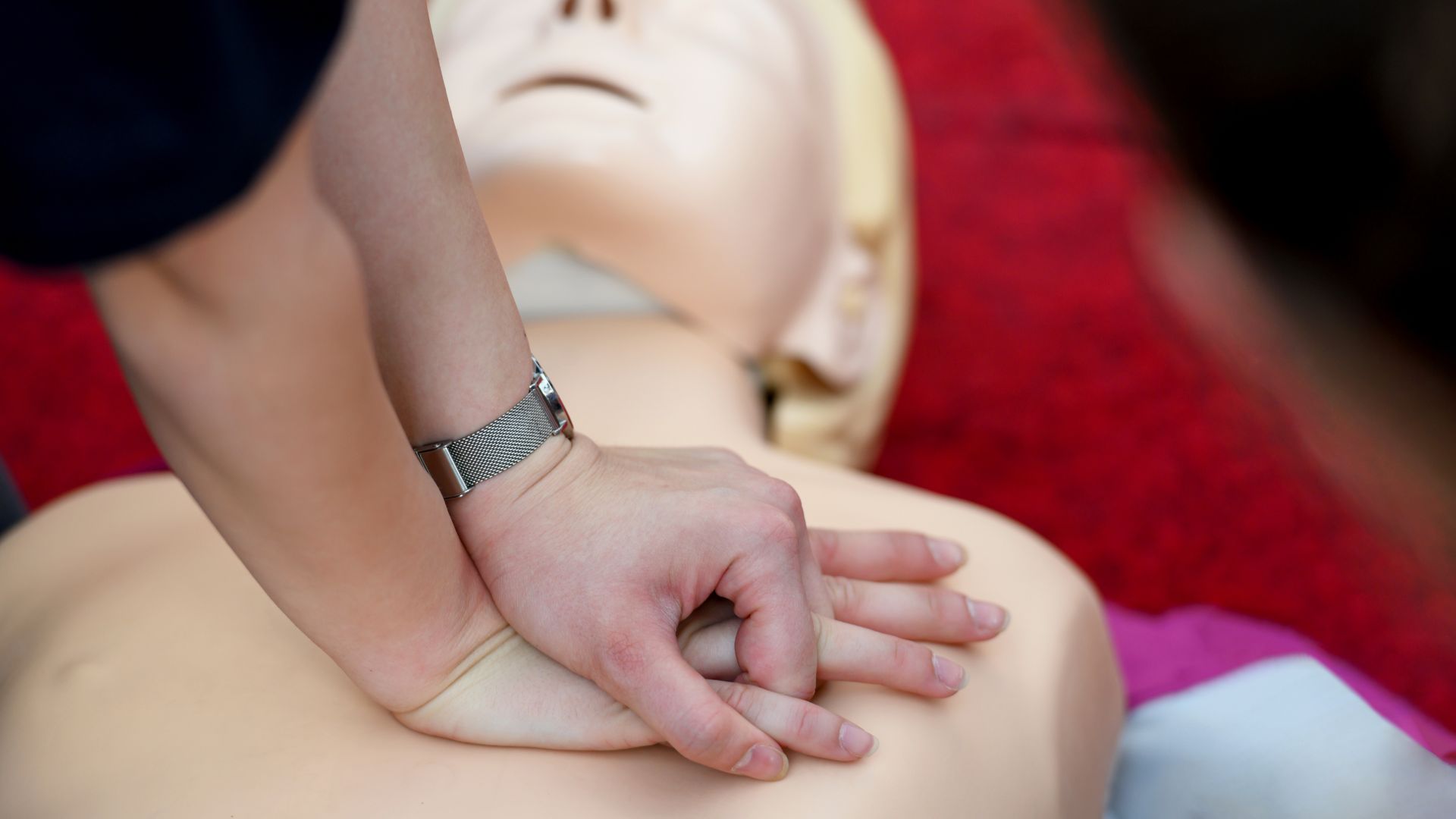
For healthcare professionals, CPR certification is much more than a credential on a resume. It represents the ability to respond confidently and effectively during life-threatening emergencies. Whether working in a hospital, urgent care center, dental office, outpatient clinic, or rehabilitation facility, medical providers may encounter situations where immediate intervention can make the difference between life and death.
In a growing healthcare community like San Jose, employers expect staff members to maintain current Basic Life Support (BLS) certification. Most healthcare organizations require active credentials as a condition of employment, making timely renewal an important part of every provider’s professional responsibilities. Through CPR Certification, healthcare professionals can refresh their skills, stay current with modern guidelines, and continue providing high-quality patient care.
Waiting until the last minute to renew can create unnecessary stress. Understanding the renewal process helps ensure your certification remains active and your career stays on track.
Why CPR Renewal Is Important
CPR techniques and emergency response guidelines continue to evolve as new medical research becomes available.
Renewal classes help healthcare professionals:
- Review life-saving skills
- Reinforce proper technique
- Learn updated recommendations
- Practice team-based response
- Maintain confidence during emergencies
The American Heart Association states that Basic Life Support courses are specifically designed for healthcare professionals who provide patient care in a variety of clinical settings.
Even experienced providers benefit from regularly refreshing their knowledge and practicing hands-on skills.
Most Healthcare Employers Require Current Certification
Many healthcare employers in San Jose require active BLS certification before employees can work directly with patients.
Common professions requiring CPR renewal include:
- Registered nurses
- Physicians
- Medical assistants
- Dental assistants
- Dental hygienists
- Physical therapists
- Occupational therapists
- Respiratory therapists
- Surgical technicians
- Certified nursing assistants
- EMTs and paramedics
- Nursing and medical students
Maintaining an active certification helps avoid interruptions in employment and ensures compliance with workplace policies.
Understanding BLS Renewal Requirements
Most healthcare professionals renew through a Basic Life Support Provider course designed specifically for medical personnel.
BLS renewal classes typically cover:
- Adult CPR
- Child CPR
- Infant CPR
- AED operation
- Rescue breathing
- Bag-mask ventilation
- Team dynamics
- Multi-rescuer scenarios
Unlike general community CPR classes, BLS courses focus on the environments healthcare providers encounter every day.
The American Heart Association notes that BLS training emphasizes both single-rescuer and team-based emergency response with a strong focus on high-quality CPR.
Know When Your Certification Expires
One of the easiest ways to avoid problems is to track your expiration date well in advance.
Most American Heart Association BLS Provider cards remain valid for two years from issuance.
Healthcare professionals should avoid waiting until the final days before expiration.
Planning ahead allows time to:
- Compare course options
- Select a convenient schedule
- Complete required training
- Receive updated certification
Many professionals choose to begin looking for renewal classes one to two months before their card expires.
Hands-On Training Remains Essential
While online education has become increasingly popular, most healthcare employers still require practical skills evaluation.
Hands-on CPR renewal allows participants to practice:
- Chest compressions
- Rescue breathing
- AED use
- Airway management
- Team communication
Practical instruction helps reinforce muscle memory and prepares providers for the stress of actual emergencies.
Many hospitals and healthcare organizations prefer certification programs that include live skills testing because real-world competence cannot be fully measured through online instruction alone.
Blended Learning Offers Flexibility
Busy healthcare schedules can make it difficult to attend lengthy classroom sessions.
Many renewal programs now offer blended learning formats that combine:
- Online coursework
- Self-paced study
- In-person skills verification
This approach allows healthcare professionals to complete the educational portion at their convenience while still demonstrating hands-on competency.
The American Heart Association’s HeartCode BLS option combines online learning with an instructor-led skills session to meet certification requirements.
Team-Based CPR Is a Major Focus
Modern healthcare emergencies rarely involve a single provider working alone.
BLS renewal classes reinforce team-based concepts such as:
- Role assignment
- Communication
- Compression rotation
- AED coordination
- Airway support
Healthcare professionals who work effectively as part of a resuscitation team help create more organized emergency responses and improve patient care.
Practicing these scenarios during renewal helps strengthen teamwork under pressure.
AED Skills Are Critical
Automated External Defibrillators are standard equipment throughout hospitals, clinics, dental offices, and many outpatient facilities.
Renewal courses review proper AED procedures, including:
- Device activation
- Pad placement
- Rhythm analysis
- Safe shock delivery
- Immediate resumption of CPR
Rapid CPR combined with early defibrillation remains one of the most effective interventions during sudden cardiac arrest.
Healthcare providers should feel completely comfortable using this equipment when emergencies arise.
Renewal Helps Maintain Confidence
Even experienced providers can feel nervous during high-pressure emergencies.
Hands-on practice helps reinforce confidence by allowing students to repeatedly perform:
- Chest compressions
- Rescue breaths
- Team response drills
- Airway management
- AED operation
Many healthcare professionals find that renewal courses help eliminate hesitation and improve overall readiness.
Training through CPR Certification provides valuable opportunities to refresh these skills in a supportive learning environment.
San Jose’s Growing Healthcare Community Creates Ongoing Demand
San Jose continues to expand as a major healthcare hub serving Silicon Valley and surrounding communities.
Medical facilities throughout the area rely on highly trained professionals who maintain current certifications and stay prepared for emergencies.
As healthcare organizations continue to grow, employers increasingly expect applicants to arrive with active CPR credentials already in place.
Maintaining certification demonstrates professionalism and commitment to patient safety.
CPR Renewal Benefits More Than Your Career
While BLS certification is often required for work, the skills extend well beyond the clinical setting.
Healthcare professionals may encounter emergencies involving:
- Family members
- Friends
- Neighbors
- Community events
- Sporting activities
- Public spaces
Many providers have used their CPR training to help save lives outside of work.
Keeping certification current means staying prepared wherever emergencies happen.
Avoid Letting Your Certification Expire
Allowing a certification to lapse can create unnecessary complications.
Expired credentials may affect:
- Employment eligibility
- Clinical rotations
- Hospital privileges
- School requirements
- Licensing compliance
Most experts recommend completing renewal before the expiration date to avoid interruptions. American Heart Association BLS cards are generally valid for two years, and providers should plan accordingly.
Staying proactive helps ensure a smooth renewal process.
BLS Renewal Reinforces Patient Safety
Healthcare organizations place tremendous emphasis on patient safety and quality care.
CPR renewal supports these goals by ensuring providers remain proficient in:
- High-quality CPR
- Early defibrillation
- Airway management
- Team communication
- Emergency assessment
Every healthcare professional who maintains current certification contributes to a safer environment for patients and coworkers alike.
Why Healthcare Professionals Should Choose Quality Training
Not all CPR courses are designed for medical providers.
Healthcare professionals should look for programs that offer:
- BLS-specific curriculum
- Hands-on skills evaluation
- Team-based scenarios
- AED training
- Employer-recognized certification
Choosing a quality course helps ensure your certification meets workplace requirements while strengthening your real-world emergency response skills.
Final Thoughts About CPR Renewal Classes for San Jose Healthcare Professionals
Maintaining current CPR certification is one of the most important responsibilities healthcare professionals have. Medical emergencies can happen without warning, and providers must be prepared to respond immediately with confidence and skill.
Through CPR Certification, San Jose healthcare workers can refresh their life-saving abilities, strengthen teamwork, and stay current with modern emergency response guidelines. By planning ahead and completing renewal before certification expires, providers can continue delivering exceptional patient care while meeting the expectations of today’s healthcare employers.
A few hours spent renewing your certification can help ensure you are ready when a patient’s life depends on immediate action.
Frequently Asked Questions About CPR Renewal Classes for San Jose Healthcare Professionals
How often do healthcare professionals need to renew CPR certification?
Most American Heart Association BLS certifications remain valid for two years before renewal is required.
Who should take a BLS renewal class?
Healthcare professionals such as nurses, physicians, medical assistants, dental professionals, EMTs, therapists, and healthcare students commonly require BLS renewal.
Does CPR renewal include AED training?
Yes. Most BLS renewal courses review proper AED operation along with CPR and airway management skills.
Can I renew my BLS certification online?
Many programs offer blended learning with online coursework, but official certification generally requires an in-person skills evaluation.
Why is hands-on practice important?
Hands-on instruction helps reinforce muscle memory, improve confidence, and ensure providers can perform life-saving skills correctly during emergencies.
What happens if my certification expires?
Expired certification may affect employment or clinical eligibility, and many employers require an active credential before patient care duties can continue.
What topics are covered during BLS renewal?
Typical courses include adult, child, and infant CPR, AED use, rescue breathing, airway management, and team-based emergency response.
Why should healthcare professionals renew before expiration?
Renewing early helps avoid gaps in certification, prevents workplace disruptions, and ensures providers remain prepared for medical emergencies.