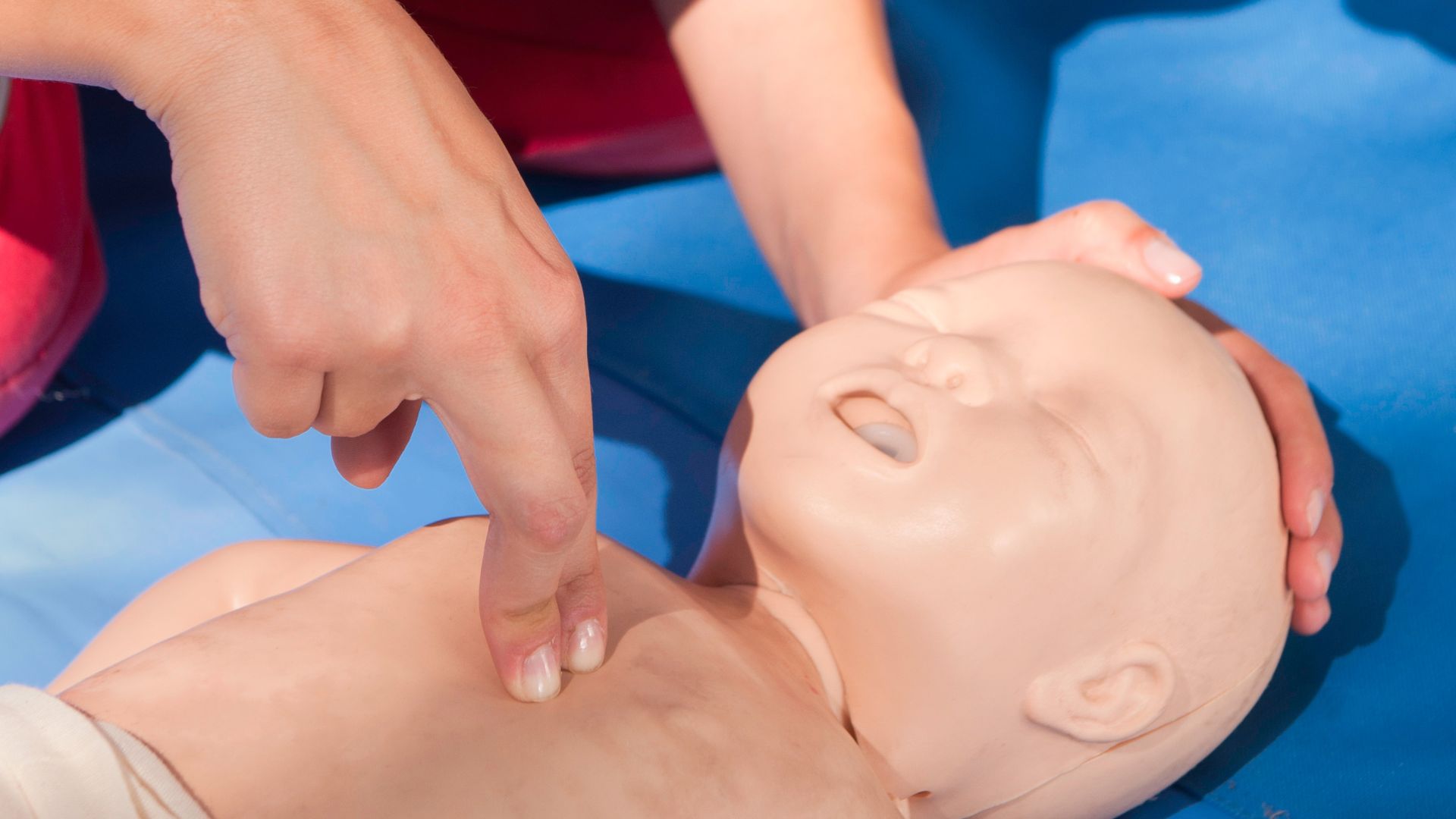
Caring for young children comes with tremendous responsibility. Parents trust childcare providers and preschool staff to create safe, supportive environments where children can learn, play, and grow. While much of the focus is placed on education, social development, and daily care, safety remains one of the most important responsibilities in any childcare setting.
Children are naturally curious and active. They are constantly exploring their surroundings, learning new skills, and interacting with other children. While these experiences are essential for development, they can also create situations where injuries or medical emergencies occur unexpectedly. Because of this, childcare providers must be prepared to respond quickly and effectively when emergencies arise.
In San Jose, thousands of children attend childcare centers, preschools, early learning programs, and family childcare homes every day. Teachers, aides, administrators, and support staff all play a role in maintaining a safe environment. For many childcare professionals, completing a CPR Certification course is one of the most important steps they can take to improve preparedness and strengthen their ability to respond during emergencies.
Why Emergency Preparedness Is Essential in Childcare Settings
Young children depend entirely on adults when emergencies occur.
Unlike older children or adults, young children often cannot:
- Clearly explain symptoms
- Recognize dangerous situations
- Communicate the severity of a problem
- Follow complex emergency instructions
- Seek help independently
This means childcare providers must remain alert and prepared throughout the day.
Emergency preparedness is not about expecting emergencies to happen. Instead, it is about ensuring staff members have the knowledge and confidence necessary to respond appropriately if an emergency does occur.
Prepared childcare professionals help create safer environments for both children and their coworkers.
Medical Emergencies Can Happen Without Warning
Most days in a preschool or childcare center are filled with routine activities, learning opportunities, and playtime. However, emergencies can occur unexpectedly.
Examples may include:
- Choking incidents
- Allergic reactions
- Asthma attacks
- Falls and injuries
- Seizures
- Breathing difficulties
- Heat-related illnesses
- Diabetic emergencies
Because childcare providers are often the first adults present when these situations occur, preparation becomes extremely important.
Knowing how to recognize potential emergencies and respond appropriately can help staff members remain calm and focused during stressful situations.
Why Childcare Providers Need Specialized Training
Emergency response involving children differs from emergency response involving adults.
Children have:
- Smaller airways
- Different physical development
- Unique medical needs
- Different responses to illness and injury
As a result, childcare professionals benefit from learning emergency response techniques designed specifically for infants and children.
Understanding age-appropriate emergency procedures helps providers feel more confident and better prepared to care for the children they supervise.
This specialized knowledge is particularly valuable in environments where staff spend entire days working with young children.
Choking Incidents Are a Major Concern
One of the most common emergencies in childcare settings involves choking.
Young children frequently place objects in their mouths as part of normal development.
Potential hazards may include:
- Food items
- Small toys
- Art supplies
- Classroom materials
- Outdoor objects
Even in well-supervised environments, choking incidents can occur quickly.
Because airway emergencies require immediate attention, childcare providers benefit from understanding how to recognize warning signs and respond appropriately.
Preparedness helps reduce panic and improves confidence when quick action is needed.
Food Allergies Require Constant Awareness
Food allergies affect many children and have become an important consideration for childcare programs.
Common allergens may include:
- Peanuts
- Tree nuts
- Dairy products
- Eggs
- Soy
- Wheat
Many childcare facilities maintain policies regarding food allergies and work closely with families to understand individual needs.
Staff members may be responsible for:
- Monitoring symptoms
- Following emergency action plans
- Communicating with parents
- Supervising meals and snacks
- Maintaining awareness of allergy concerns
Preparation and communication help create safer environments for children with known allergies.
Asthma and Breathing Emergencies
Respiratory issues are among the most common health concerns affecting children.
Some children may experience breathing difficulties related to:
- Asthma
- Allergies
- Respiratory illnesses
- Physical activity
- Environmental factors
Breathing emergencies can escalate quickly if not recognized early.
Childcare professionals who understand emergency response procedures often feel more prepared to respond calmly while seeking appropriate assistance.
Awareness and preparedness are valuable components of overall childcare safety.
Injuries Can Occur During Everyday Activities
Children learn through movement and exploration.
Activities such as:
- Running
- Climbing
- Playing
- Participating in games
- Exploring playground equipment
are important parts of childhood development.
However, these activities can sometimes result in injuries.
Common examples include:
- Cuts
- Scrapes
- Falls
- Bruises
- Head bumps
While many injuries are minor, childcare providers must always be prepared to assess situations and determine whether additional assistance is needed.
Prepared staff help ensure children receive appropriate care and attention.
Why Confidence Matters During Emergencies
One reason emergency training is so valuable is that it helps build confidence.
Without preparation, many individuals worry about:
- Forgetting important steps
- Making mistakes
- Responding incorrectly
- Becoming overwhelmed
These concerns can lead to hesitation during emergencies.
Training helps reduce uncertainty by providing opportunities to learn procedures and practice emergency response skills.
As confidence grows, childcare professionals often feel more comfortable taking action when situations arise.
Building a Safer Learning Environment
Parents expect childcare providers to prioritize safety.
A strong safety culture often includes:
- Staff training
- Emergency planning
- Clear communication
- Ongoing education
- Regular safety reviews
When emergency preparedness becomes part of daily operations, the entire childcare program benefits.
Children receive care in a more secure environment, parents gain peace of mind, and staff members feel more prepared to handle unexpected situations.
Safety is most effective when it becomes part of the organization’s overall culture.
San Jose’s Growing Need for Childcare Professionals
San Jose continues to be one of California’s largest and fastest-growing cities.
As families move into the area and demand for childcare services grows, childcare providers play an increasingly important role in supporting the community.
Programs throughout the city serve:
- Infants
- Toddlers
- Preschool-aged children
- Pre-kindergarten students
- School-age children
With so many children participating in childcare programs every day, emergency preparedness remains an important part of maintaining quality care.
Prepared staff members contribute to stronger childcare programs and safer learning environments.
Teamwork Improves Emergency Response
Most childcare facilities rely on teams of professionals working together.
This may include:
- Teachers
- Assistant teachers
- Directors
- Administrative staff
- Support personnel
- Substitute staff
When emergencies occur, teamwork becomes especially important.
Prepared teams often communicate more effectively and coordinate their efforts more efficiently.
Training helps staff members understand:
- Individual responsibilities
- Communication procedures
- Emergency priorities
- Response expectations
This coordination helps improve overall preparedness.
Parents Value Prepared Childcare Providers
When selecting a childcare program, parents often consider safety as one of their top priorities.
Families want to know that staff members are prepared to handle emergencies and protect the children in their care.
Preparedness demonstrates:
- Professionalism
- Responsibility
- Commitment to safety
- Attention to detail
- Concern for children’s well-being
Programs that prioritize emergency preparedness often inspire greater confidence among parents and guardians.
This trust is an important part of building strong relationships with families.
Emergency Preparedness Benefits Staff as Well
While emergency preparedness is primarily focused on protecting children, it also benefits childcare professionals.
Training can help staff:
- Feel more confident
- Reduce stress during emergencies
- Improve communication skills
- Strengthen teamwork
- Increase overall preparedness
Employees who feel prepared are often more comfortable and confident in their roles.
This contributes to a more positive and supportive workplace environment.
CPR Training Extends Beyond the Classroom
The knowledge gained through emergency preparedness training can be valuable outside of work as well.
Many childcare providers find these skills useful during:
- Family activities
- Community events
- Volunteer opportunities
- Sporting events
- Travel
- Everyday situations
Because emergencies can happen anywhere, preparedness remains a valuable life skill.
Many professionals appreciate having knowledge that benefits both their careers and their personal lives.
Why CPR Certification Supports Childcare Safety in San Jose
Childcare providers and preschool staff have a tremendous responsibility to protect and care for young children every day. While most days are filled with learning, laughter, and growth, emergencies can happen unexpectedly. Being prepared to recognize and respond to these situations helps create safer environments for children, staff members, and families. Completing a CPR Certification course helps childcare professionals strengthen their emergency preparedness, improve confidence, and develop skills that support the health and safety of the children entrusted to their care. As San Jose’s childcare community continues to grow, preparedness remains an important part of providing high-quality care.
Frequently Asked Questions About CPR Certification for Childcare Providers and Preschool Staff in San Jose
Why is CPR training important for childcare providers?
Childcare providers are often the first adults available to respond when a child experiences a medical emergency, making preparedness an important part of their responsibilities.
What types of emergencies can occur in childcare settings?
Common emergencies include choking incidents, allergic reactions, asthma attacks, falls, injuries, seizures, and breathing difficulties.
Do childcare professionals need specialized CPR training?
Because children have unique physical and medical needs, childcare professionals benefit from training that focuses on infants and children.
How does CPR training help childcare staff?
Training helps improve confidence, strengthen emergency preparedness, and increase familiarity with emergency response procedures.
Why is emergency preparedness important in preschools?
Young children depend on adults during emergencies, making preparation essential for maintaining a safe learning environment.
Can CPR training benefit childcare providers outside of work?
Yes. Emergency preparedness skills can be useful during family activities, community events, volunteer opportunities, travel, and everyday life.