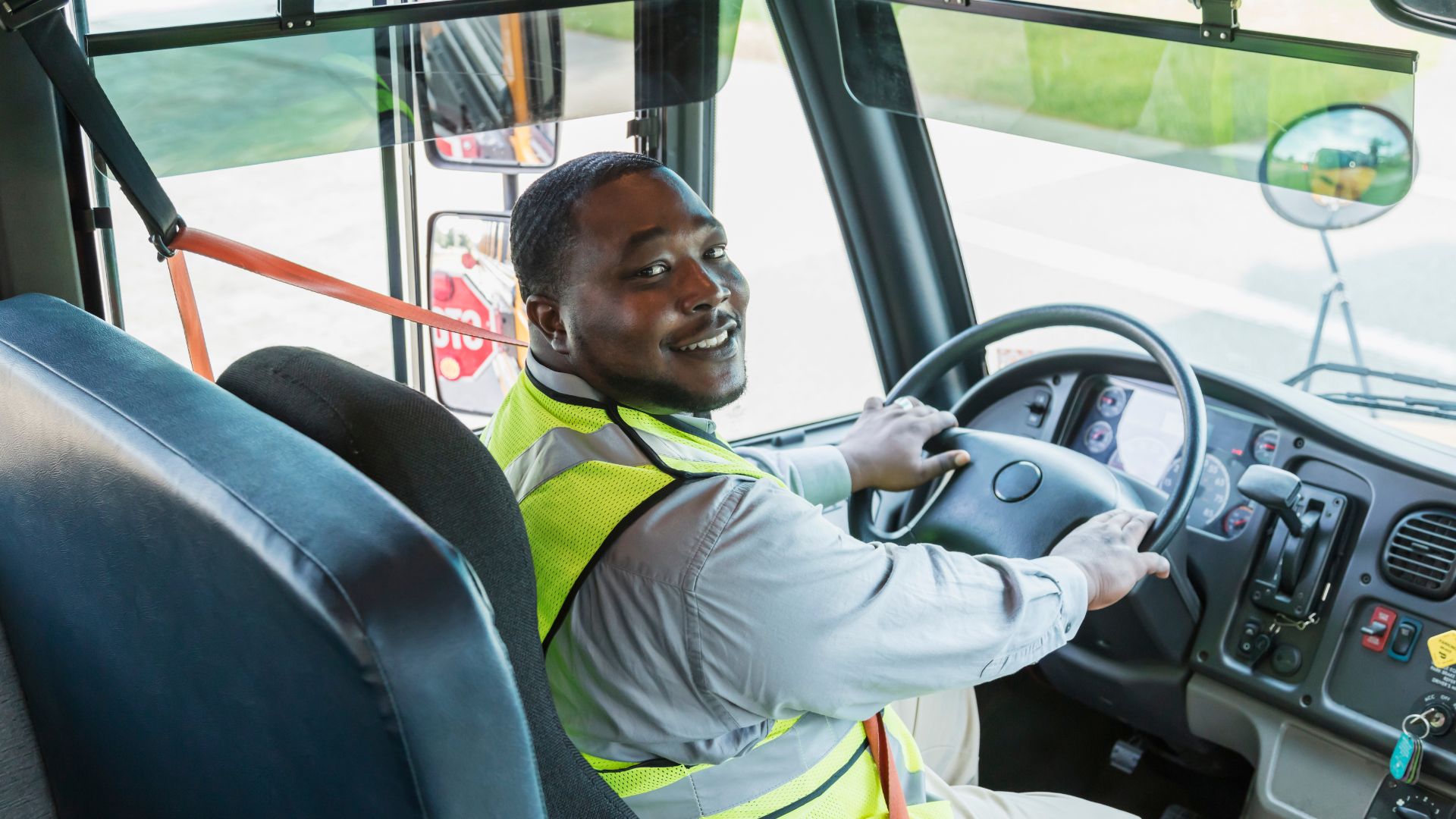
Bus drivers do much more than transport passengers from one location to another. Every day, they are responsible for the safety and well-being of dozens of people, including students, commuters, seniors, and individuals with medical conditions. Whether operating a school bus, city transit vehicle, or private shuttle, drivers may unexpectedly become the first person available to help during a medical emergency.
A passenger could suddenly experience cardiac arrest, choking, a severe allergic reaction, or another life-threatening condition while onboard. In those critical moments, emergency responders may still be several minutes away, making immediate bystander action incredibly important.
Through CPR Certification, San Jose bus drivers can gain the hands-on skills and confidence needed to perform CPR, use an Automated External Defibrillator (AED), and provide assistance until professional medical help arrives. The American Heart Association notes that immediate CPR can double or even triple a victim’s chance of survival following sudden cardiac arrest.
Learning CPR is not simply another workplace skill. It is an investment in passenger safety and community preparedness.
Medical Emergencies Can Happen During Any Route
Most bus routes involve transporting a wide variety of passengers every day.
Drivers may serve:
- School children
- College students
- Daily commuters
- Senior citizens
- Tour groups
- Individuals with disabilities
- Families with young children
With so many different passengers, medical emergencies can occur without warning.
Having CPR training allows drivers to respond quickly while emergency services are on the way.
Sudden Cardiac Arrest Requires Immediate Action
Sudden cardiac arrest occurs when the heart unexpectedly stops beating effectively.
Unlike a heart attack, which involves blocked blood flow to the heart, cardiac arrest is usually caused by an electrical malfunction that prevents the heart from pumping properly.
Common signs include:
- Sudden collapse
- Loss of consciousness
- No normal breathing
- No detectable pulse
Without CPR, oxygen-rich blood stops circulating to the brain and other vital organs.
The American Heart Association emphasizes that immediate CPR helps maintain blood flow and can significantly improve survival outcomes.
Bus Drivers May Be the First Responders
Unlike hospitals or medical facilities, buses typically do not have healthcare professionals on board.
If a passenger experiences an emergency, the driver may become the first person responsible for:
- Recognizing the emergency
- Calling 911
- Beginning CPR
- Directing bystanders
- Using an AED if available
Quick action during those first few minutes can make a tremendous difference before paramedics arrive.
Choking Emergencies Can Occur Onboard
Passengers sometimes eat or drink while riding buses, creating the possibility of choking incidents.
Young children and older adults may be particularly vulnerable.
CPR training helps drivers recognize the signs of airway obstruction and understand appropriate choking response procedures for adults, children, and infants.
Knowing how to react calmly can help prevent a choking emergency from becoming life-threatening.
School Bus Drivers Have Additional Responsibilities
School bus drivers transport children every day and often develop close relationships with the students they serve.
Potential emergencies involving children may include:
- Choking
- Asthma attacks
- Allergic reactions
- Seizures
- Cardiac emergencies
Children require specialized CPR techniques that differ from those used for adults.
Hands-on instruction through CPR Certification helps drivers become familiar with age-appropriate emergency response procedures.
AED Training Complements CPR Skills
Many public buildings, schools, and transportation facilities now have Automated External Defibrillators available.
CPR classes often include instruction on how to:
- Turn on the AED
- Apply the electrode pads
- Follow voice prompts
- Resume CPR after treatment
Research has shown that combining bystander CPR with early AED use can substantially improve survival outcomes following sudden cardiac arrest.
Learning how CPR and AEDs work together helps bus drivers prepare for real-world emergencies.
Medical Emergencies Can Involve Senior Passengers
Many San Jose transit systems regularly serve older adults traveling to appointments, shopping centers, and community events.
Senior passengers may have increased risk for:
- Cardiac arrest
- Heart attacks
- Strokes
- Falls
- Breathing emergencies
While drivers cannot diagnose medical conditions, CPR training helps them recognize when immediate emergency action is necessary.
Hands-On Training Builds Confidence
One of the biggest reasons people hesitate during emergencies is fear.
Many individuals worry they might:
- Hurt the victim
- Forget the proper steps
- Panic under pressure
- Make the wrong decision
Hands-on CPR training allows participants to repeatedly practice:
- Chest compressions
- Rescue breathing
- AED operation
- Emergency scene assessment
This practical experience helps build confidence and muscle memory that can be invaluable during real emergencies.
Passenger Safety Extends Beyond Driving
Bus drivers already focus on preventing accidents and ensuring safe transportation.
CPR training expands that commitment by preparing drivers to respond when medical emergencies occur.
A well-prepared driver can help create a safer environment for:
- Passengers
- Coworkers
- Students
- Families
- Community members
Emergency preparedness strengthens the overall safety culture within transportation organizations.
Bystander CPR Makes a Difference
Many out-of-hospital cardiac arrests occur before emergency responders can arrive.
According to the American Heart Association, more than 356,000 out-of-hospital cardiac arrests occur annually in the United States, yet only about 40% of victims receive bystander CPR.
Every additional person who learns CPR helps strengthen the community’s emergency response network.
CPR Skills Extend Beyond the Job
Although many bus drivers pursue CPR training because of their work responsibilities, these skills become valuable in everyday life as well.
CPR-trained individuals may one day help:
- Family members
- Friends
- Neighbors
- Coworkers
- Complete strangers
The American Heart Association notes that approximately 70% of out-of-hospital cardiac arrests happen at home, making CPR knowledge useful far beyond the workplace.
Hands-On Practice Improves Long-Term Retention
Watching online videos can introduce CPR concepts, but physical practice helps participants retain the information much more effectively.
Hands-on classes allow students to:
- Practice proper compression depth
- Learn correct hand placement
- Perform rescue breaths
- Work through realistic scenarios
- Receive instructor feedback
Training through CPR Certification helps San Jose bus drivers develop the practical skills needed to respond confidently under pressure.
CPR Training Demonstrates Professionalism
Employers and passengers appreciate drivers who are prepared for unexpected situations.
Maintaining CPR certification reflects:
- Responsibility
- Professional development
- Commitment to passenger safety
- Emergency preparedness
These qualities help strengthen trust between transportation professionals and the communities they serve.
Final Thoughts About CPR Training for Bus Drivers in San Jose
Bus drivers play an important role in protecting the people they transport every day. Whether carrying students to school, helping commuters get to work, or serving senior citizens throughout the community, drivers may unexpectedly become the first people available to respond during a medical emergency.
Through CPR Certification, San Jose bus drivers can gain the hands-on skills and confidence needed to perform CPR, assist choking victims, and use an AED while waiting for professional medical help to arrive. Investing in CPR training helps create safer buses, stronger communities, and a better chance of survival when every second counts.
Frequently Asked Questions About CPR Training for Bus Drivers in San Jose
Why should bus drivers learn CPR?
Bus drivers may be the first people available to help if a passenger experiences a medical emergency during transit.
Can CPR help during a cardiac arrest on a bus?
Yes. Immediate CPR helps maintain blood circulation and oxygen delivery until emergency responders arrive.
Does CPR training include AED instruction?
Yes. Most comprehensive CPR courses include hands-on training for using an Automated External Defibrillator.
Are school bus drivers good candidates for CPR training?
Absolutely. School bus drivers are responsible for children who may experience choking, allergic reactions, or other emergencies.
Can bus drivers help during choking emergencies?
Yes. CPR courses typically include age-appropriate choking relief techniques for adults, children, and infants.
How long does CPR certification usually last?
Most CPR certifications remain valid for two years before renewal is recommended.
Why is hands-on CPR practice important?
Practical training helps participants build confidence and muscle memory through repeated practice.
Can CPR skills help outside of work?
Yes. CPR training prepares individuals to respond to emergencies involving family members, friends, neighbors, or anyone in the community who needs immediate assistance.