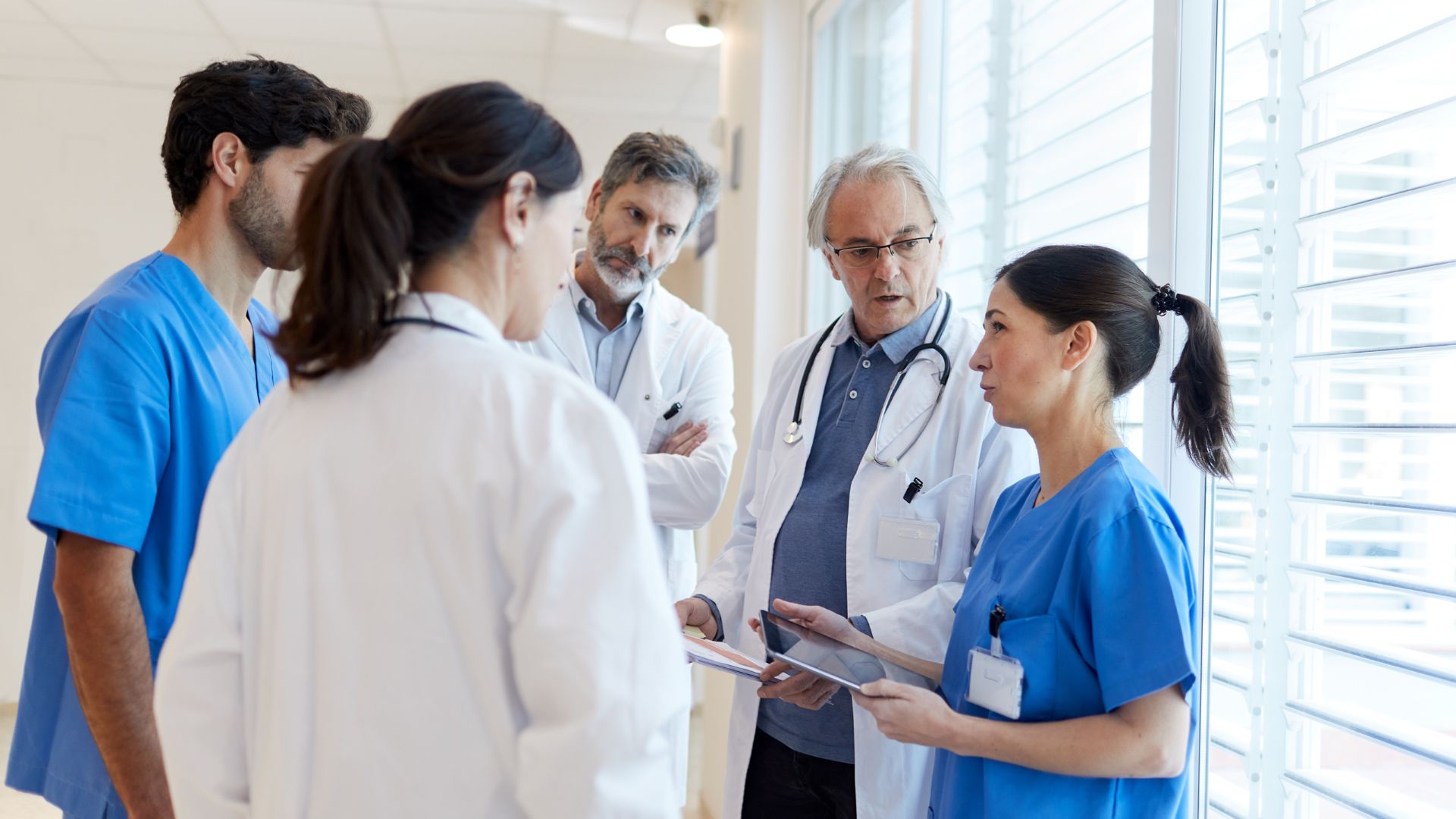
If you work in a hospital setting, having CPR Certification is not just a requirement, it is a core part of delivering safe, effective patient care. In San Jose hospitals, healthcare professionals operate in fast-paced, high-pressure environments where patient conditions can change in seconds. Being prepared to respond immediately is essential, and CPR training provides the foundation for that response.
Healthcare providers are often the first to act when a patient experiences cardiac arrest, respiratory failure, or another life-threatening emergency. The ability to perform CPR correctly, confidently, and without hesitation can directly impact patient outcomes. This is why CPR certification remains a non-negotiable credential across nearly every medical role.
Why CPR Training Matters in Hospital Environments
Hospitals in San Jose serve a large and diverse population, from routine care patients to those facing serious medical conditions. While many patients are stable, emergencies can happen without warning.
In these moments, healthcare professionals must be able to:
- Recognize signs of cardiac arrest
- Begin chest compressions immediately
- Support breathing and circulation
- Coordinate with a response team
- Use emergency equipment effectively
CPR training ensures that providers can take these actions quickly and accurately.
The Reality of Emergency Situations in Hospitals
Even in controlled medical environments, emergencies are unpredictable. A patient recovering from a procedure can suddenly deteriorate. A routine visit can escalate into a critical situation.
In San Jose hospitals, staff must be ready to respond at all times. Delays in care can have serious consequences, making immediate action essential.
CPR certification prepares healthcare professionals to respond without hesitation, ensuring that care begins the moment it is needed.
What CPR Certification Covers for Healthcare Providers
For healthcare professionals, CPR certification often includes advanced training that builds on basic life-saving techniques.
Training typically covers:
- High-quality chest compressions with proper depth and rate
- Effective ventilation techniques
- Use of automated external defibrillators
- Recognition of cardiac and respiratory emergencies
- Team-based response strategies
- Care for both adult and pediatric patients
This training is hands-on and scenario-based, ensuring that providers are prepared for real-world situations.
The Importance of Immediate Response
In cardiac emergencies, every second counts. When the heart stops beating effectively, oxygen flow to the brain is interrupted.
Without immediate intervention:
- Brain damage can begin within minutes
- Survival rates decrease rapidly
- Complications become more likely
CPR helps maintain circulation and oxygenation, giving patients the best possible chance until advanced care is administered.
For healthcare professionals in San Jose, this immediate response is part of daily responsibilities.
Team-Based Emergency Care in Hospitals
One of the defining aspects of hospital care is teamwork. Emergencies are rarely handled by a single provider.
CPR training emphasizes coordination and communication. Healthcare professionals learn how to:
- Assign roles quickly
- Communicate clearly
- Perform tasks simultaneously
- Maintain consistent compressions and ventilation
In San Jose hospitals, this level of coordination is critical for effective emergency response.
Hands-On Training Builds Confidence
CPR certification includes hands-on practice that allows healthcare professionals to develop confidence and skill.
Participants practice:
- Chest compressions
- Ventilation techniques
- AED use
- Team-based scenarios
This training helps build muscle memory, ensuring that providers can perform these skills under pressure.
Confidence is essential in high-stress situations, and hands-on training helps reinforce it.
Meeting Hospital and Industry Requirements
Most hospitals in San Jose require CPR certification as part of their employment standards. This ensures that all staff members are trained to respond to emergencies.
Maintaining certification is often a condition of employment. Providers must renew their training regularly to stay current with guidelines.
This requirement helps maintain a consistent level of care across the healthcare system.
Keeping Up with Evolving Medical Guidelines
CPR techniques and guidelines are updated regularly based on new research. Staying current with these updates is essential for providing effective care.
Renewing certification ensures that healthcare professionals:
- Learn the latest techniques
- Stay aligned with best practices
- Maintain high standards of care
For San Jose providers, staying up to date is a critical part of professional responsibility.
Improving Patient Outcomes
The ultimate goal of CPR certification is to improve patient outcomes. When healthcare professionals are properly trained, they can respond more effectively during emergencies.
This leads to:
- Higher survival rates
- Reduced complications
- Better overall care
For patients in San Jose hospitals, this can make a life-saving difference.
Who Needs CPR Certification in Hospitals
CPR certification is required for a wide range of roles within hospital settings.
These include:
- Nurses
- Physicians
- Medical assistants
- Respiratory therapists
- Technicians
- Support staff involved in patient care
Anyone who may be involved in emergency response should have CPR certification.
How to Get CPR Certified in San Jose
Getting certified is a straightforward process.
- Choose a CPR training program
- Schedule a class
- Attend the training session
- Complete hands-on practice
- Receive certification
Many training providers in San Jose offer flexible scheduling options.
CPR Certification Cost in San Jose
The cost of CPR training can vary depending on the course and provider. Most programs are affordable and provide significant value.
For healthcare professionals, certification is an investment in both career development and patient safety.
Why Ongoing Training Is Essential
CPR certification typically lasts for two years. Renewal ensures that skills remain sharp and knowledge stays current.
Ongoing training helps:
- Maintain confidence
- Improve technique
- Stay aligned with guidelines
- Provide consistent care
For San Jose healthcare professionals, this ongoing commitment is essential.
The Impact of Prepared Healthcare Providers
Prepared healthcare providers make a significant difference in patient care. When staff are trained and confident, they can respond quickly and effectively.
This benefits:
- Patients, by improving outcomes
- Hospitals, by maintaining high standards
- Providers, by increasing confidence
CPR certification is a key part of this preparedness.
Final Thoughts About CPR Certification in San Jose Hospitals
Healthcare professionals face critical situations every day. Being prepared to respond quickly and effectively is essential for delivering quality care.
Getting CPR Certification ensures that you have the skills needed to act when it matters most.
For San Jose hospital staff, this training is not just a requirement. It is a responsibility that directly impacts patient safety and outcomes.
CPR Certification FAQs
Is CPR certification required for hospital staff?
Yes, most hospital roles require CPR certification as part of employment.
How long does CPR certification last?
CPR certification typically lasts for two years before renewal is required.
How long does a CPR class take?
Most CPR classes can be completed in a few hours.
Can I get certified the same day?
Yes, many training programs offer same-day certification.